What “I Need Space” Really Means (And How to Say It Better)
Let’s be honest for a second.
Those four words — “I need space” — can bring an entire relationship to its knees in about three seconds flat.
One person says it, and the other person’s brain immediately starts running the worst-case scenario reel. Is this a breakup? Did I do something wrong? Are they pulling away? Am I too much? Not enough? Is this the beginning of the end?
And the person who said it? They’re probably just trying to breathe. They didn’t mean any of that. They just needed to say something, anything, to get some relief.
But here’s the problem: “I need space” is one of the most loaded, least explained phrases in the entire relationship vocabulary. It’s got all the emotional weight of a full conversation packed into four words — and almost none of the actual information anyone needs.
So today we’re unpacking it. What does it actually mean? Why does it hit so hard? And — the big one — how do you say it (or hear it) in a way that doesn’t blow everything up?
First: Why Those Words Feel Like a Grenade

Here’s what’s really going on when “I need space” lands like a gut punch.
For a lot of us, the request for space triggers something really old. We’re not just reacting to our partner. We’re reacting to every time we were left, ignored, pushed away, or made to feel like we were too much. Our nervous systems don’t know the difference between the present moment and the memory of being abandoned at seven years old.
That’s attachment theory in real life. Not in a textbook — in your chest, at 11pm, staring at a text that just said “I need some time to think.”
"When someone says they need space, your brain fills that blank space with your deepest fear. Every single time."
The anxiously attached person hears: you’re too much, I’m leaving, this is your fault.
The avoidantly attached person says it because they’re genuinely overwhelmed and don’t have the words for what they’re feeling. They’re not trying to punish you. Their nervous system just hit capacity and “I need space” was the emergency exit.
Neither person is wrong. Both people are hurting. And the communication breakdown makes everything worse.
'If this hit close to home, Wounds digs into exactly this territory...'
What “I Need Space” Actually Means (The Real Translation)
Because it almost never means what it sounds like. Here are the four most common translations:
1. “I’m emotionally flooded and I can’t think clearly right now."
This is probably the most common one. Emotional flooding is a real neurological thing — when your nervous system gets overwhelmed, your prefrontal cortex basically goes offline. The person isn’t being dramatic. They genuinely cannot have a productive conversation in this state. What they’re actually saying is: I care about this too much to say something I’ll regret.
2. “I’m losing myself and I need to find me again."
Some people, especially those who tend to merge or lose their identity in relationships, need periodic solo time to reconnect with themselves. This isn’t rejection. It’s self-regulation. A person who knows they need this is actually being responsible, not distant.
3. “I’m angry/hurt and I’m trying not to blow this up."
Space as a cooling-off mechanism. Not avoidance. Conscious de-escalation. The problem is when it turns into stonewalling — when “space” becomes a punishment or a way to avoid ever resolving anything. That’s when it crosses a line.
4. “I’m struggling with something that has nothing to do with you."
Work stress. Family stuff. Old grief. Sometimes a person needs space from everything — and the relationship just happens to be in the blast radius. It’s not about you. But try telling your nervous system that.

Reflection / Self-Awareness
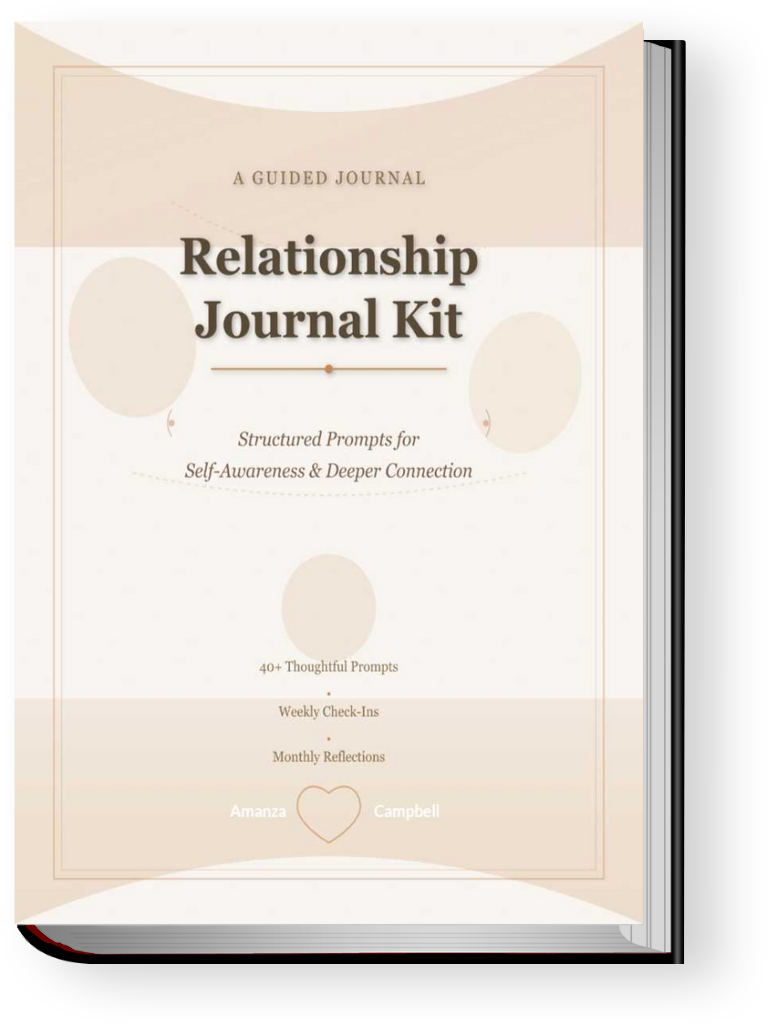
'Want to get clear on which one applies to you? The Relationship Journal Kit has prompts specifically designed for moments like this...'
The Attachment Angle (This Is Why It Gets So Complicated)
If you’ve been following along with Connection Quest, you know we talk a lot about attachment styles. And the “I need space” dynamic is basically a masterclass in anxious-avoidant tension.
Here’s how it typically plays out:
The avoidant partner feels overwhelmed and pulls back. The anxious partner feels that pullback and moves closer, reaching for reassurance. The avoidant pulls back more. The anxious partner panics and reaches harder. The avoidant shuts down completely. Cue: the worst night of the week.
Nobody meant for this to happen. But both people are operating out of their core fear — the avoidant fears losing their sense of self, the anxious partner fears being abandoned — and neither one is communicating those fears clearly. They’re just reacting.
“The pursue-withdraw cycle isn’t a character flaw. It’s two nervous systems talking past each other in the dark.”
Understanding this doesn’t fix it overnight. But it changes the story you tell yourself about what’s happening. And that matters more than most people realize.
How to Say It Better: Scripts That Actually Work

Okay, this is the part you’ve been waiting for. Because “I need space” doesn’t have to be a grenade. It can be a door you both walk through together — if you say it right.
The formula is simple: Name the feeling + State the need + Give a timeframe + Offer reassurance.
You don’t need all four every time. But the more you include, the less room there is for someone’s worst fear to fill in the blanks.
Instead of: “I need space.”
Try: “I’m feeling really overwhelmed right now and I can tell I’m not showing up well. I need about an hour to decompress on my own. I’ll come back and we can talk, I just need to reset first. This isn’t about you.”
Instead of: “I need some time to think.”
Try: “I’m not processing this well in real time. Can we pause this conversation tonight and pick it up tomorrow? I want to actually hear you — I just need to sleep on it first.”
Instead of: “I just need to be alone.”
Try: “I’m feeling touched out and drained today. It’s not you — I just need some quiet solo time to recharge. I’ll feel so much more present with you afterward.”
See the difference? You’re not leaving them with a blank. You’re giving them context. You’re saying: I still choose you. I just need to regulate first.
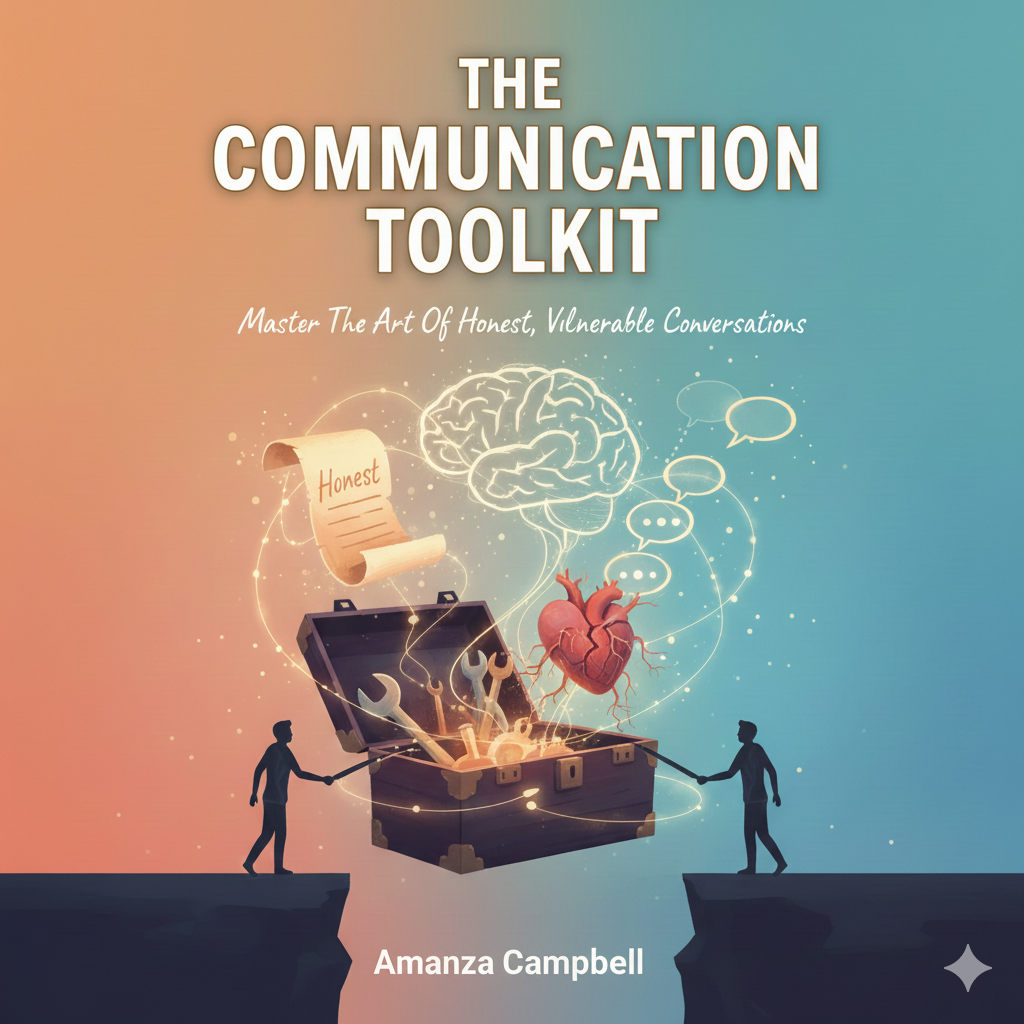
'If you want more scripts like these across all the hard conversations — the fights, the repairs, the asks — The Communication Toolkit is exactly that.'
How to Receive It Better
Because this goes both ways.
If your partner says they need space and every cell in your body wants to follow them down the hall and keep talking — that’s worth paying attention to. Not as something to shame yourself for. As information.
Here’s what helps in the moment:
•Breathe before you respond. Literally. Your nervous system needs a second.
•Ask one clarifying question if you need it: “Are we okay?” is a legitimate question. It’s not needy. It’s human.
•Agree to a check-in time. Don’t let ‘space’ become an open-ended void. “Okay, can we reconnect at 9?” keeps you both tethered.
•Use the time productively. Go for a walk. Text a friend. Do something that isn’t refreshing their Instagram to see if they’re online.
And when they come back — let them. Don’t open with “so THAT was fun.” Start fresh.
What Healthy Space Actually Looks Like
Here’s something nobody talks about enough: space isn’t the enemy of intimacy. It’s actually one of the conditions for it.
Couples who thrive long-term are usually the ones who have figured out how to be separate people inside a shared life. They have their own friendships, their own interests, their own inner worlds. And they bring all of that back to the relationship.
The goal isn’t to need each other less. It’s to trust each other enough that separateness doesn’t feel like a threat.
“The healthiest relationships aren’t the ones where two people can’t breathe without each other. They’re the ones where both people have room to breathe — and still choose to come back.”
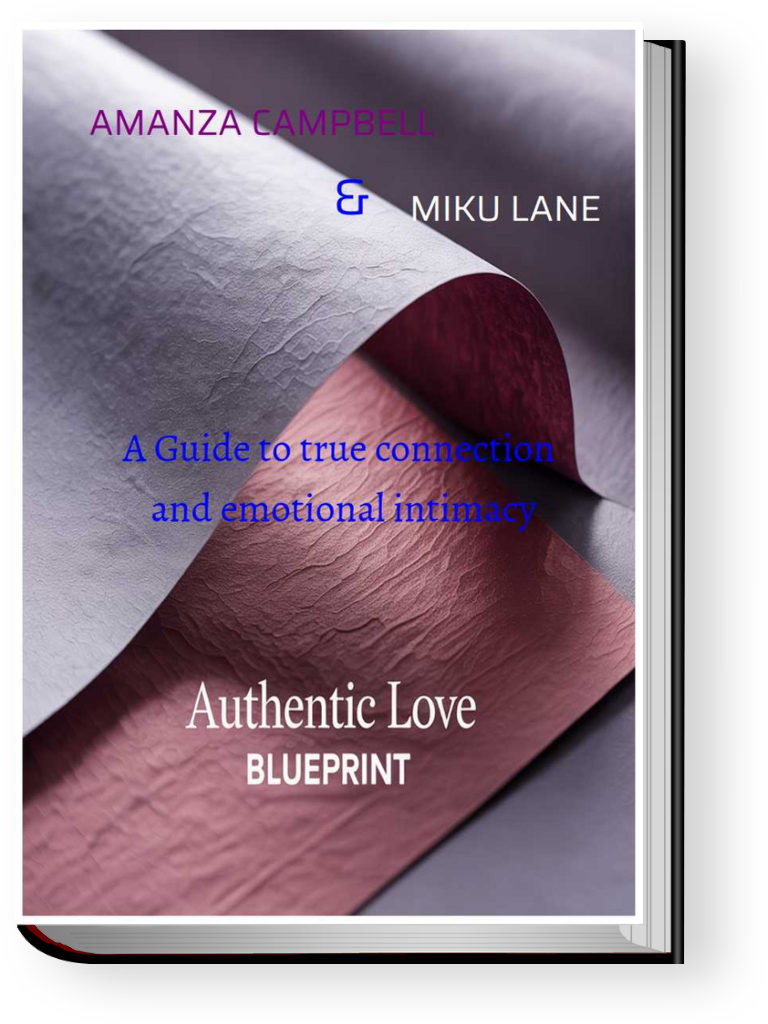
'If you’re building toward that kind of love — grounded, spacious, deeply connected — Authentic Love is the roadmap.'
The Bottom Line
“I need space” is a shortcut for something much more real. It’s someone saying: I’m overwhelmed. I’m lost. I’m trying not to hurt you. I just don’t have the words yet.
Your job — whether you’re the one saying it or the one hearing it — is to slow down long enough to find the actual words. Because those words? They’re the whole relationship.
You’ve got this.
Get Your Copy
🔗https://amanzareads.com/book-details/OTY4Mw%3D%3D

🎙 Have you listened to Connection Quest Podcast?
This topic goes even deeper in Season 2 of Connection Quest. Search “Connection Quest with Miku” wherever you listen to podcasts — and subscribe so you don’t miss what’s coming.